


About CICUS

ABOUT CICUS
The Center for Cultural Initiatives of the University of Seville is tasked with devising and developing cultural programs for the university community, and promoting among its members personal creativity, taste and appreciation for the arts, and the development of a consistent and varied aesthetic education.
Technical advice on cultural matters to university centers, cultural halls or other cultural centers in the city of Seville is part of the regular work of this service.
MISSION AND VISION
Mission of the Center for Cultural Initiatives
- To organize cultural events of all kinds, from a perspective of complementarity with the rest of the cultural offer of our city, attending to cultural and artistic manifestations not covered by other cultural agents that may be of the greatest interest to the general public and, especially, to the university community of our Institution.
- To encourage artistic and cultural creation by members of the university community, supporting the University's Cultural Halls, and contributing to the dissemination of said artistic and cultural creation.
- To contribute, through the dissemination of our activities, to a better image of the University of Seville, both outside and within the university community.
- To contribute, through our activities, to better relations between our University and other public and private institutions in our environment.
Vision of the Center for Cultural Initiatives
CICUS aspires to:
- To be a benchmark in cultural programming in our geographical and social environment, offering the public, and especially the University Community, the best cultural programming.
- To be the vehicle for the promotion and dissemination of the cultural activities and interests of the members of the University Community.
- To project the best image of our University to the general public, to all public and private institutions with which we relate, and especially to the university community, contributing through our activities to the sense of belonging of faculty, students, and staff, and to a better appreciation of our University by society as a whole.
CICUS SPACE
CULTURAL ENGINE OF THE CITY
Today, within the modernization strategies of the Spanish University, we must understand culture as an essential element to create, within the Campus, university life environments culturally integrated into the urban fabric, with high quality and top-level offerings that achieve the immediate benefit of greater motivation and involvement of the student body; only in this way will we have a truly attractive and competitive University, locally and globally in the International Framework.
The Cultural Center in the Madre de Dios street building allows us, in addition to consolidating ongoing programs in art, classical music, jazz, electronics, flamenco, cinema, theater, dance... to open new avenues, such as digital culture, shaping the University of Seville into the cultural engine we intend it to be. With this building, CICUS gains its full meaning. It ceases to be an abstract entity to become a CENTER where cultural initiatives are channeled, a place generating culture for the university community in particular and society in general.
Welcome to our headquarters!
A PLACE IN HISTORY
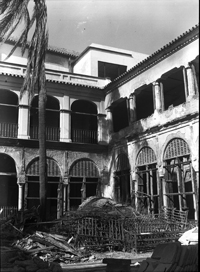
The Center for Cultural Initiatives (CICUS) is housed in a building located in the historic center of Seville, originating from the former Convent of Madre de Dios. In 1868 it was the Free School of Medicine under the Provincial Council. In 1917 it became the property of the University of Seville, serving as headquarters for the Medical School Polyclinic and the Business School, which moved to the Law-Business campus in 1968.
It served as headquarters for the Faculty of Labor Sciences until 2008, when the school moved to the Pirotecnia campus. The neoclassical building dates from the early 20th century (1902-1903) and was designed by architect Arévalo Álvarez Millán. In 1964 it was renovated by Ruíz de Simanca, and later in 1990, by Francisco Granero Martín. Thus, the occupancy of the building by CICUS in 2011 opens a new chapter in history, placing culture in a privileged spot within the city.
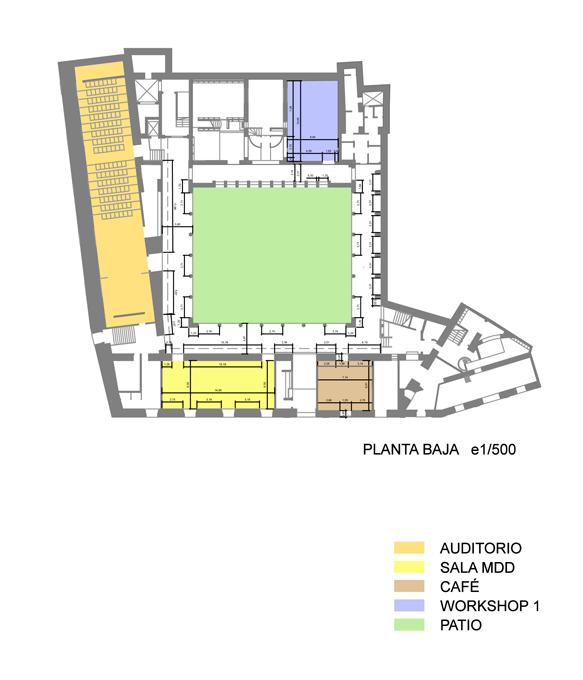
FLOOR PLANS
GROUND FLOOR
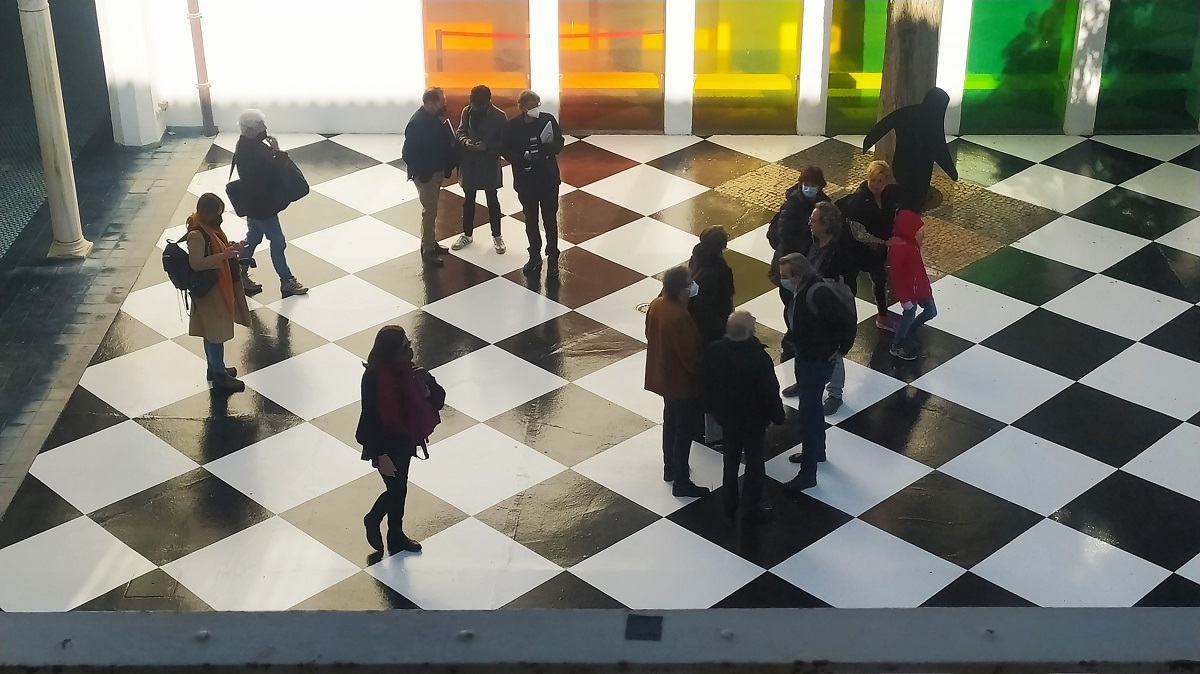
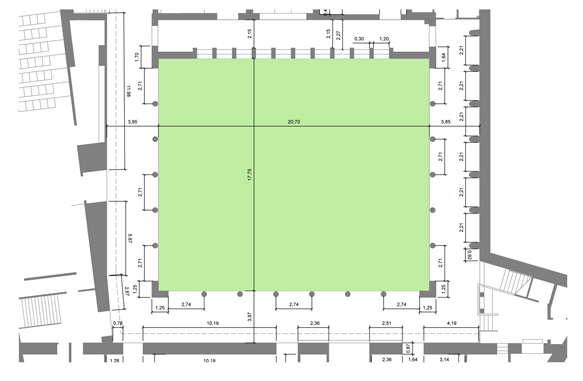
COURTYARD
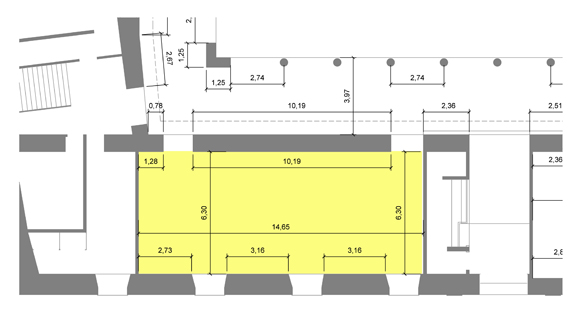
MDD ROOM
CAFÉ WORKSHOP
AUDITORIUM
DISCOVER THE CICUS FACILITIES
THE COURTYARD
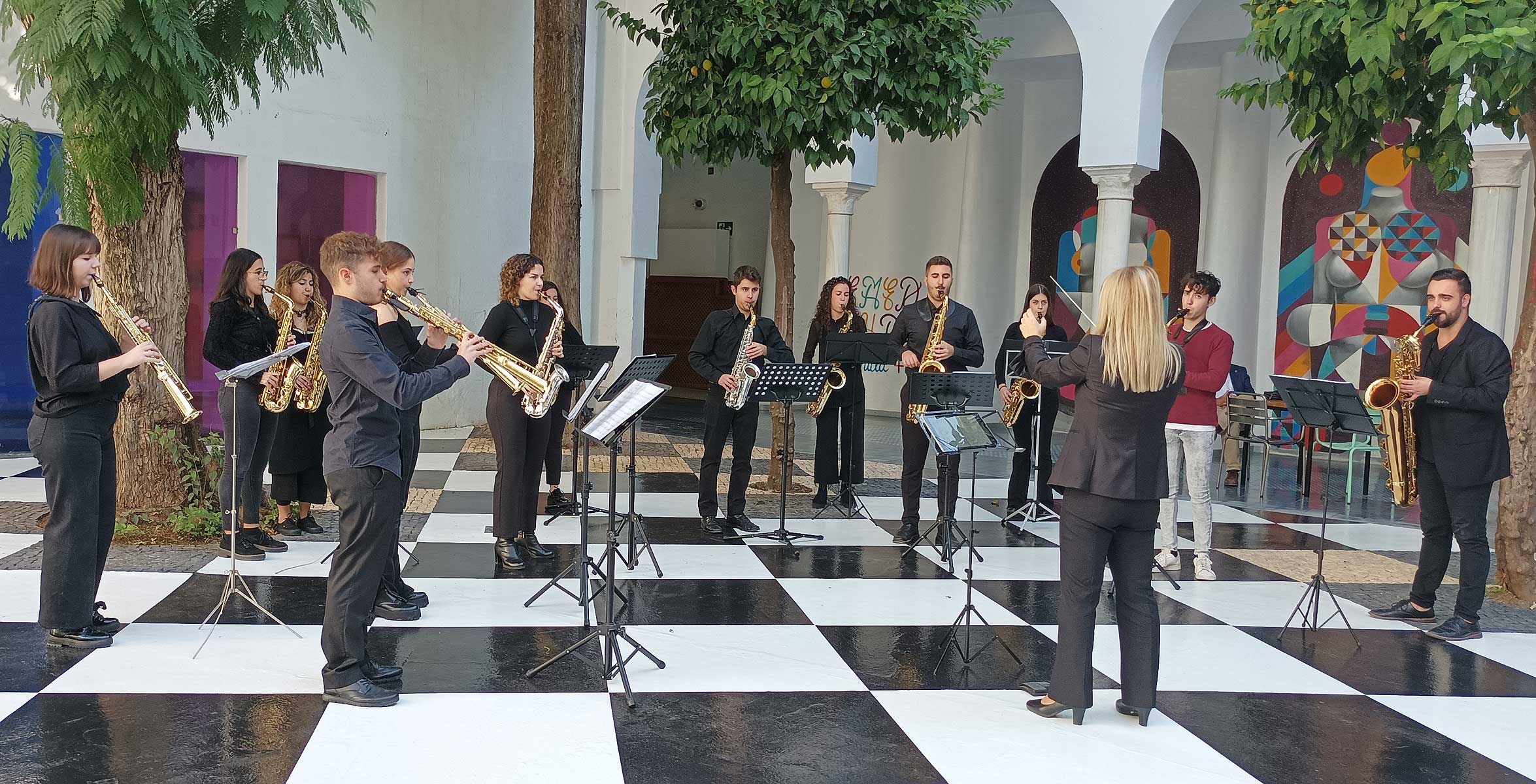
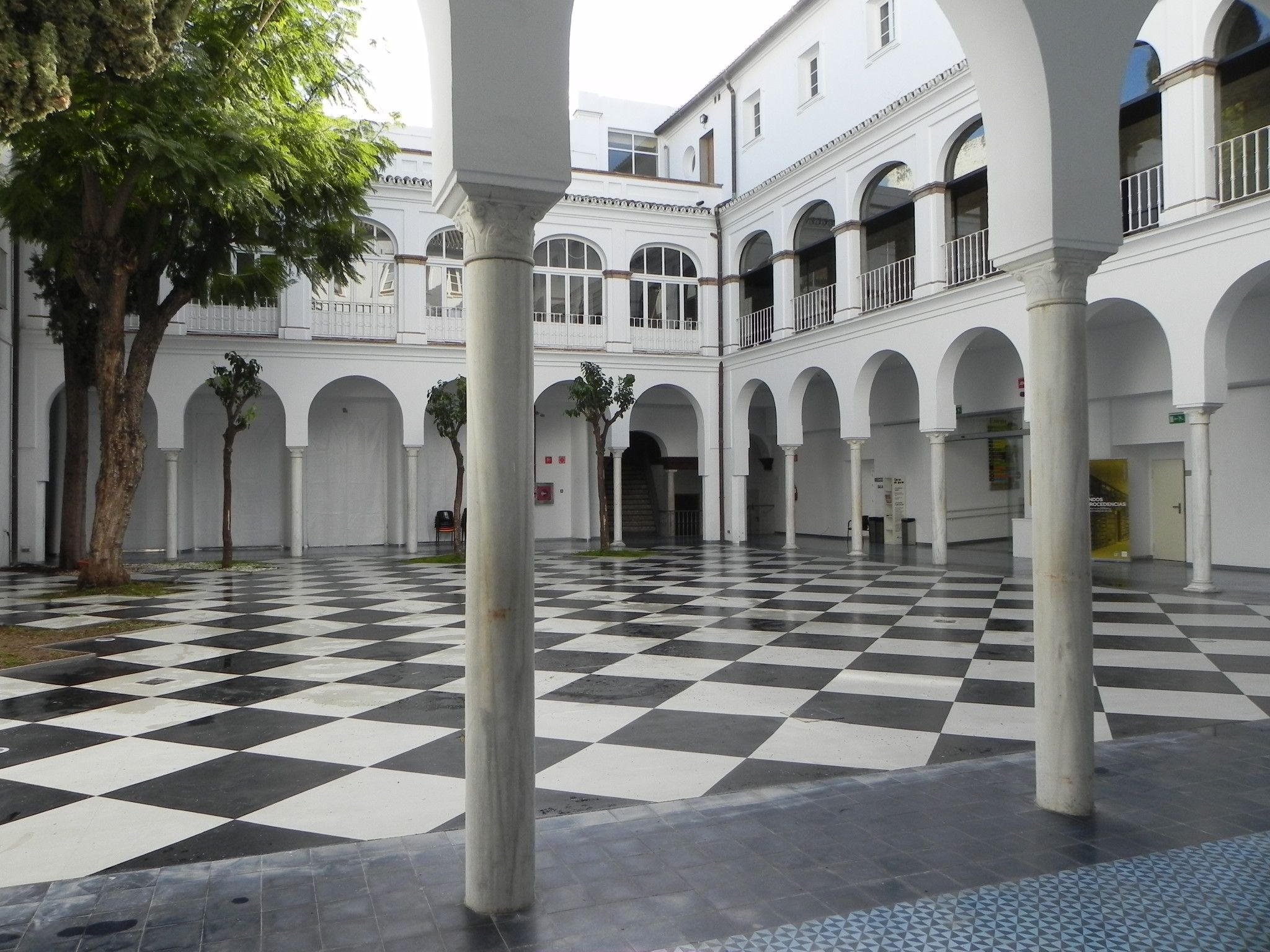
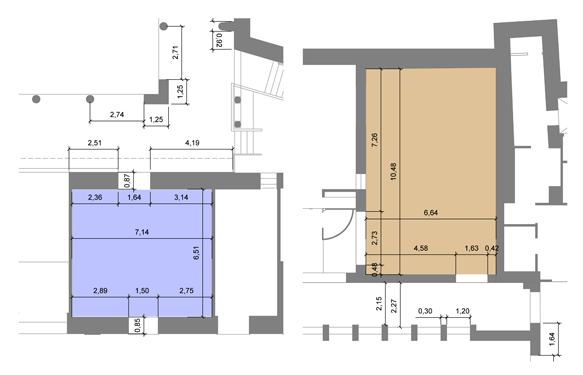
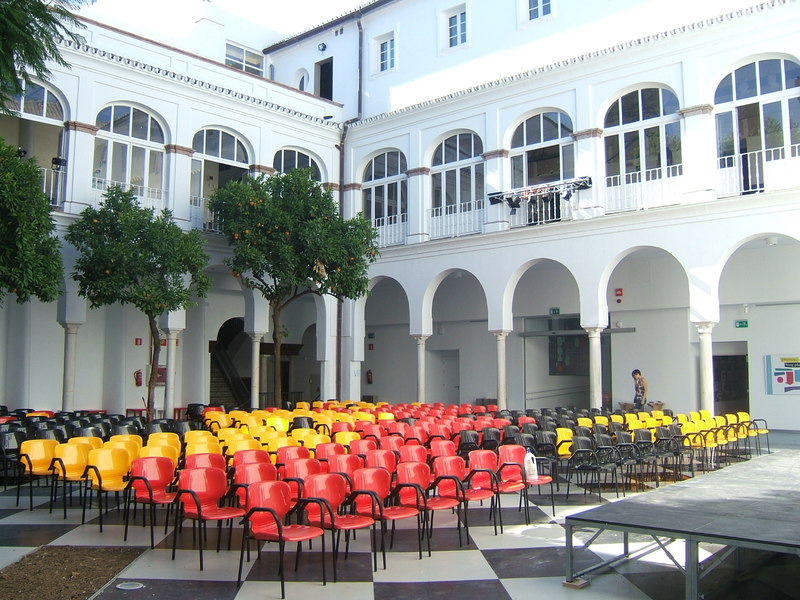
Throughout the year, the Center for Cultural Initiatives holds events in the building's courtyard, a spacious area (22.7 x 17.75 m) with a capacity for 300 seats, a stage up to 8 x 8 m, and an 8 x 5 m projection screen, hosting the annual 21grados program with film screenings, theater and other performing arts, concerts, and all types of events.
The courtyard features complete lighting and sound equipment, as well as digital video projectors and a 35 mm projector.
Throughout the year, the courtyard also serves as a stage for various cultural events, such as contemporary dance performances, craft book markets, etc., as well as outdoor performances and exhibitions.




CAFETERIA – El Oasis de la Gata
Located on the ground floor of CICUS, to the right of the main entrance.
Time
Monday to Friday from 9:30 to 13:00 and 16:00 to 20:00

AUDITORIUM
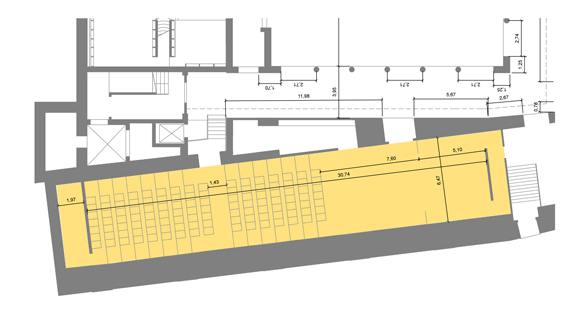
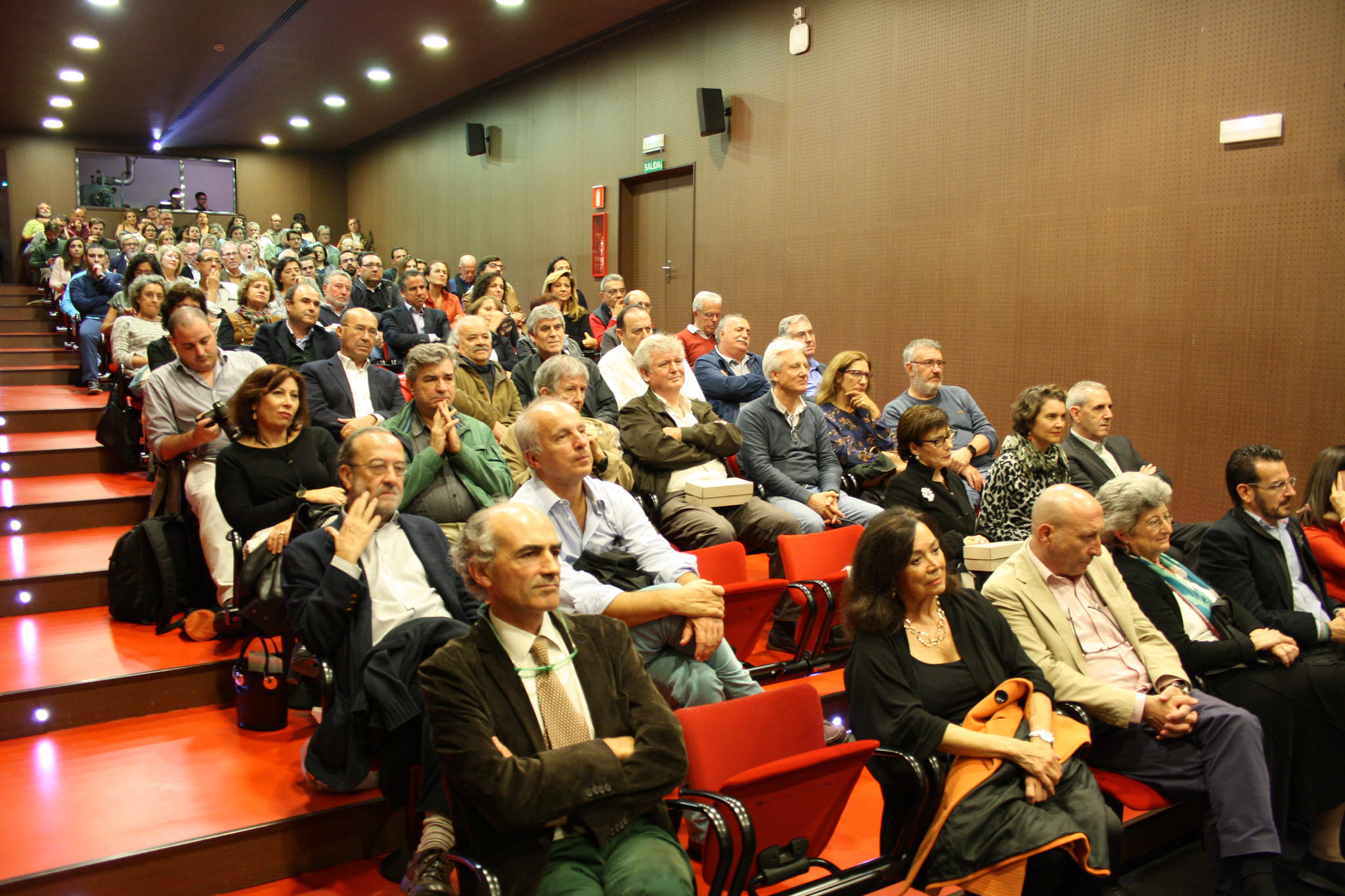
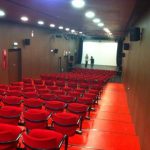
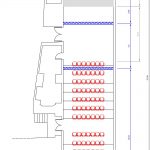
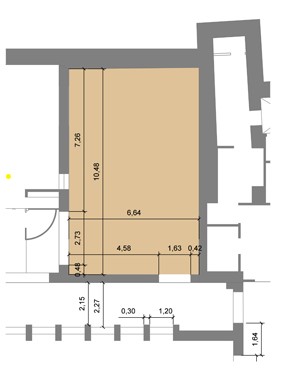
The Center for Cultural Initiatives of the University of Seville features a modern auditorium with 105 fixed seats (expandable up to 30 additional seats depending on the show). Its stage has a depth of 4.77 m, allowing large set-ups for the room's dimensions. It is fully equipped with sound and lighting equipment, and has a 35 mm cinema projector, digital projector, and dressing rooms for artists.
The Auditorium hosts theater performances, concerts, and film screenings throughout the year, as well as presentations, conferences, and events of all kinds.

THE ENGINEERING SCHOOL AUDITORIUM
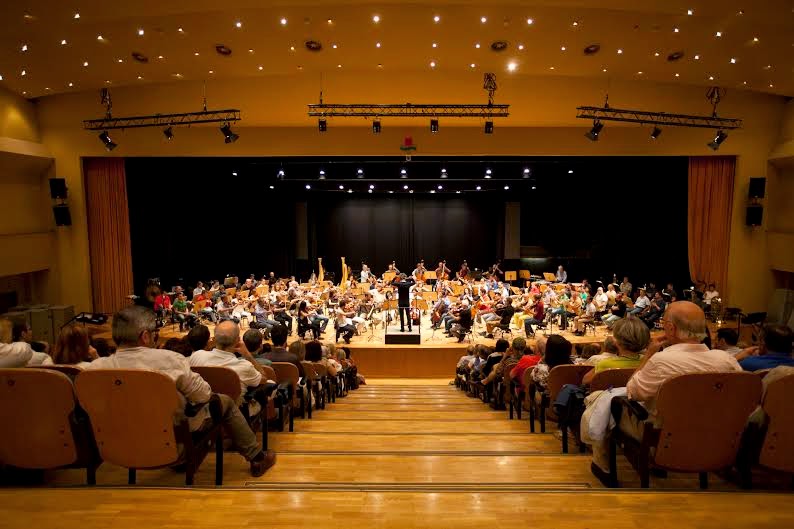
Our Higher Technical School of Engineering has a magnificent auditorium with 652 seats (plus boxes) managed by the ETS of Engineering itself, fully equipped with lighting and sound, as well as live recording and broadcasting equipment.
The Auditorium of the Higher Technical School of Engineering is the venue of our Joint Symphony Orchestra University of Seville (OSC), where it has performed its concert season since 2011/2012. It hosts the Academic Year Opening Concert, school concerts, and public dress rehearsals of the Royal Symphony Orchestra of Seville.
EXHIBITION ROOMS
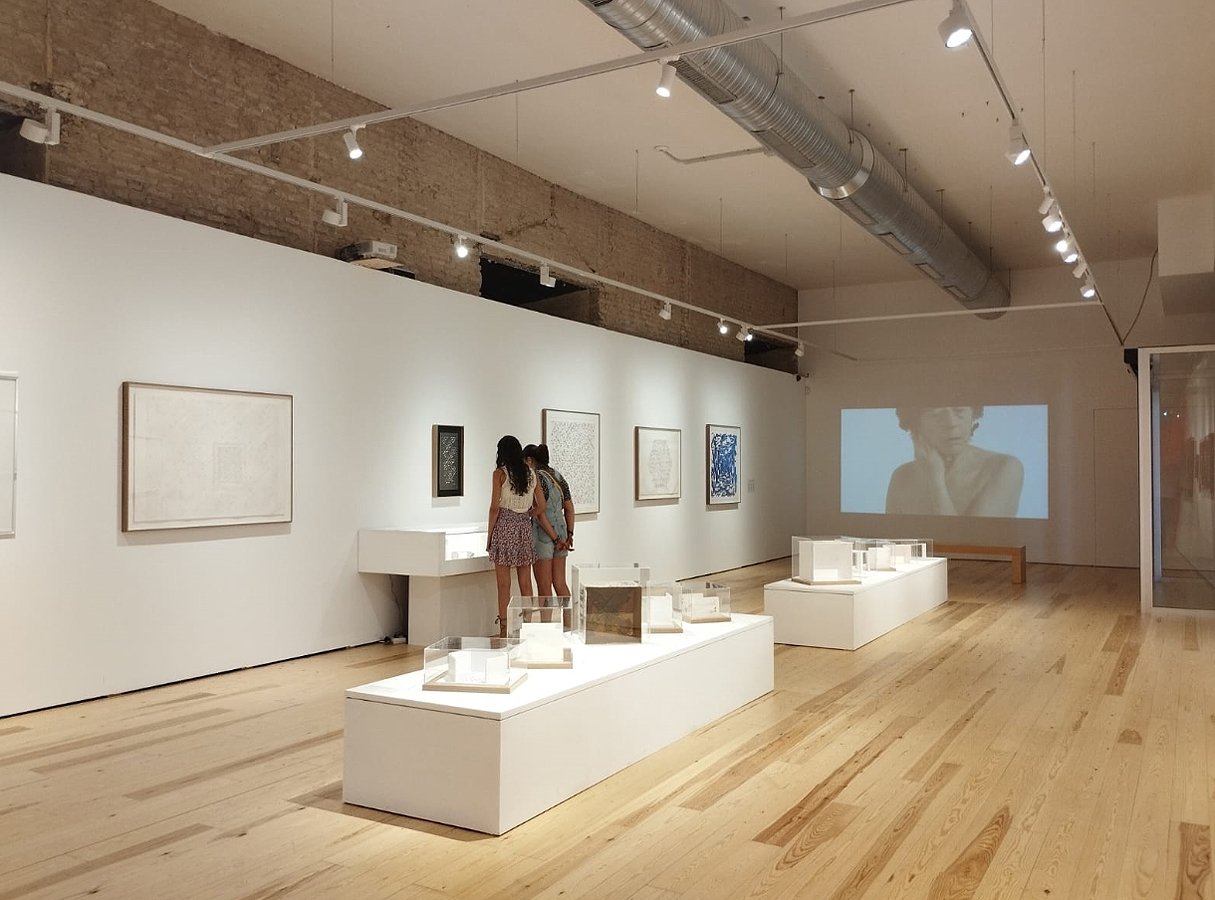
MDD ROOM
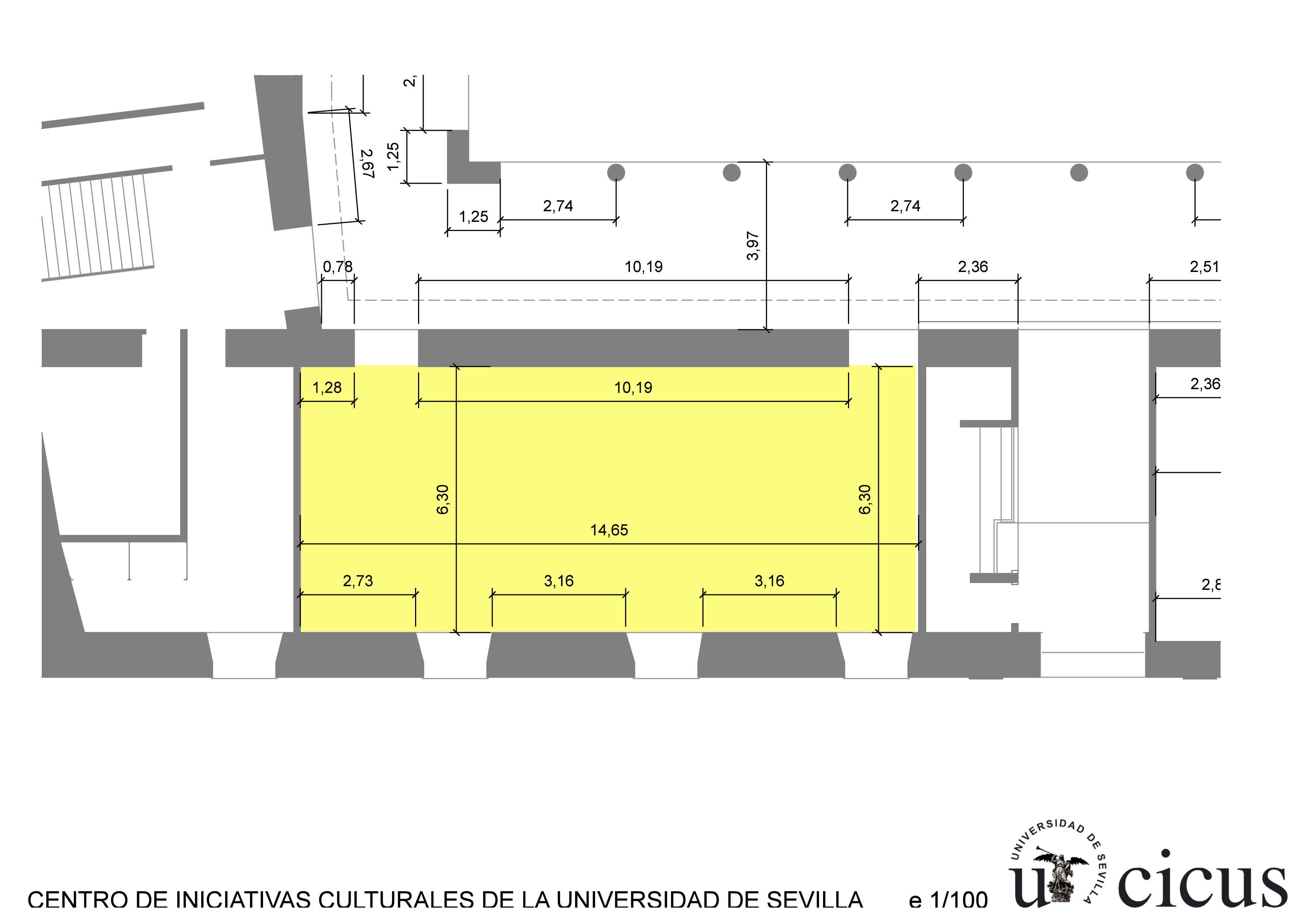
EP1 ROOM
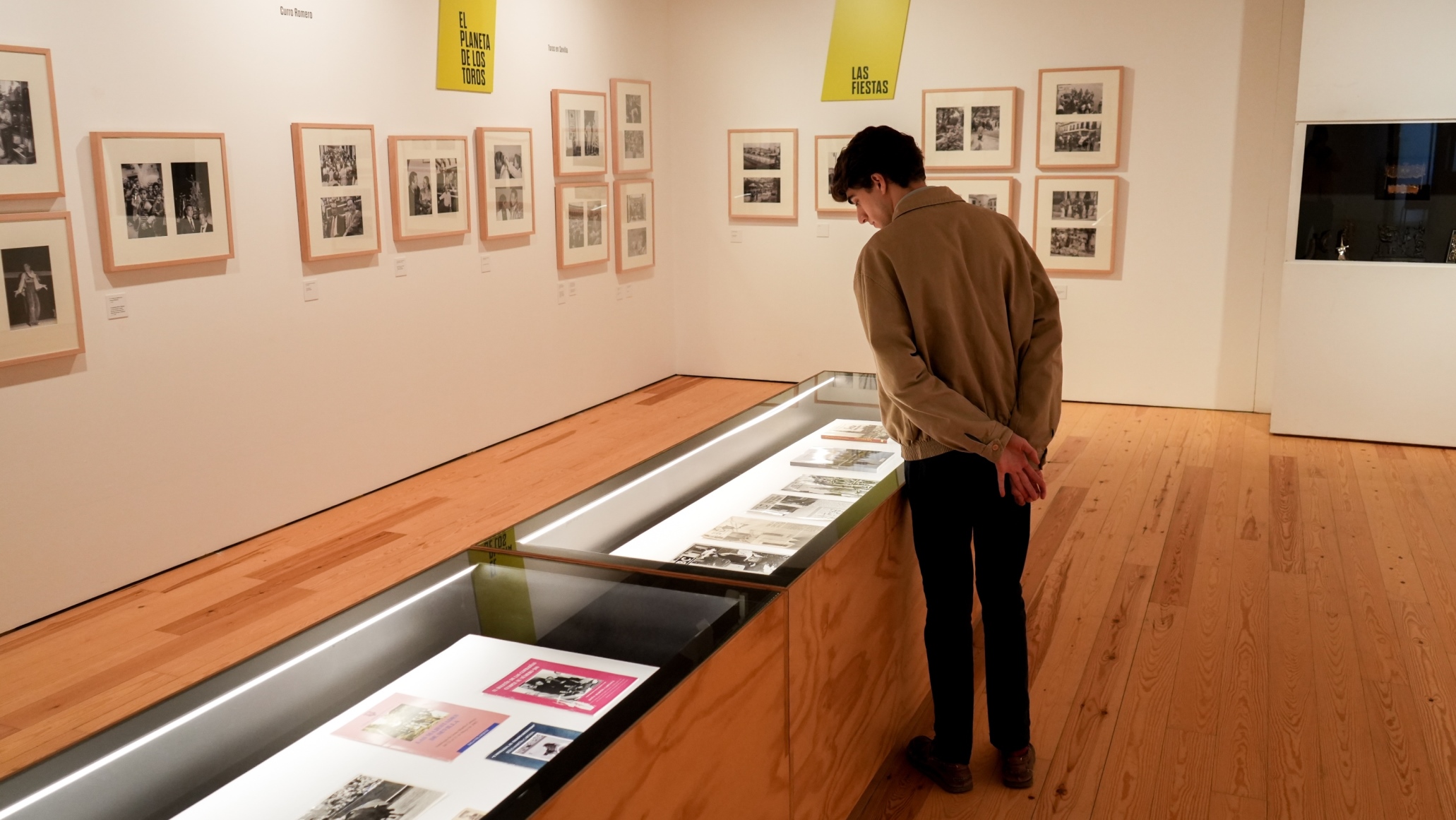
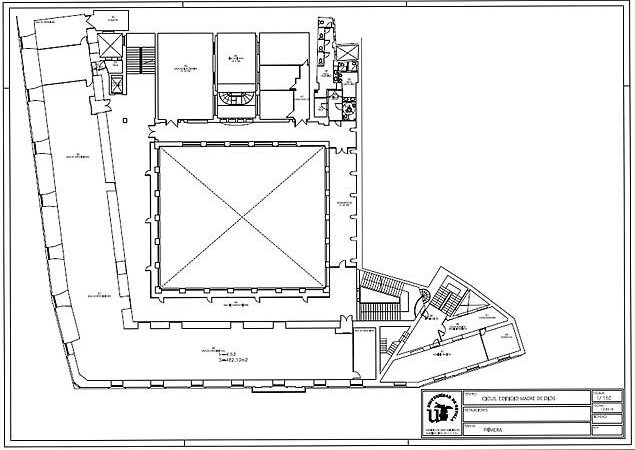
CASAJÚS ROOM
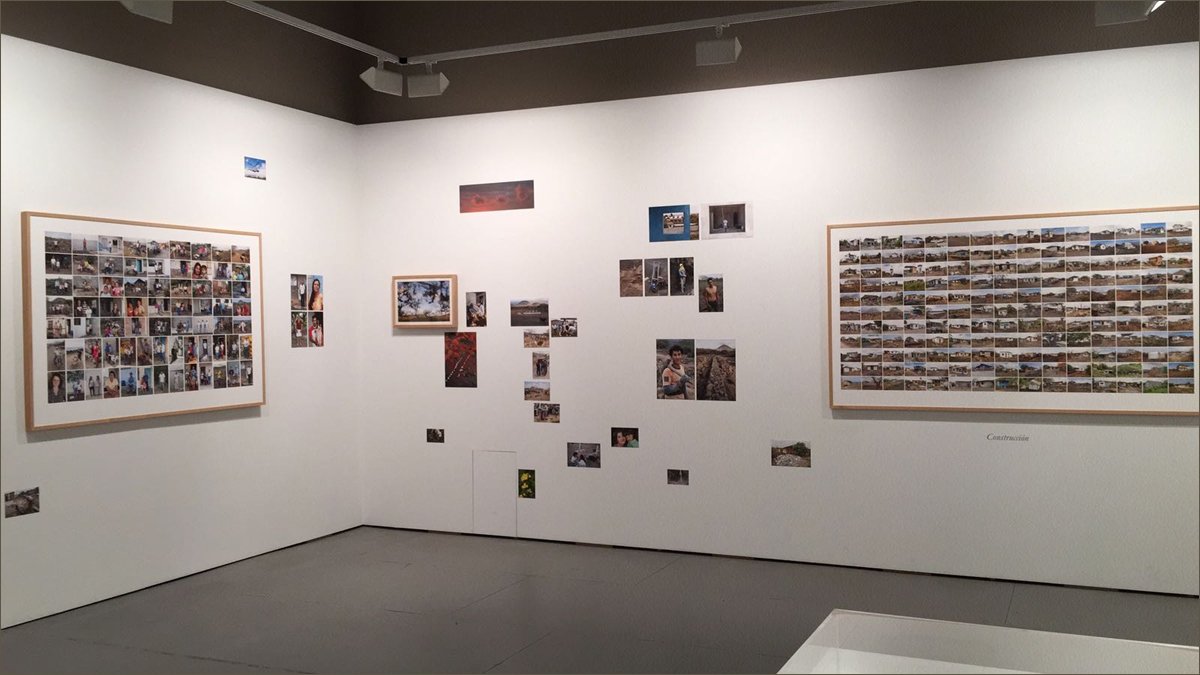
BECOMING A CICUS SUPPLIER
Need to formalize contracting
In accordance with art. 37 of Law 9/2017 on Public Sector Contracts, the University of Seville cannot enter into verbal contracts, unless the contract is emergency in nature.
Public Sector Procurement Platform
Pursuant to Law 9/2017 on Public Sector Contracts, tenders from the University of Seville are published on the Public Sector Procurement Platform:
Plataforma de Contratación del Sector Público
Suppliers who register on this platform can set up alerts to receive updated information on the types of tenders that may be of interest to them.
Official Register of Tenderers and Classified Companies
To participate in certain tenders, Law 9/2017 on Public Sector Contracts requires, as of September 9, 2018, that companies be previously registered in the Official Register of Tenderers and Companies of the State:
Registro Oficial de Licitadores y Empresas del Estado
In the case of the University of Seville, registration in the Register of Tenderers of the Regional Government of Andalusia is also valid:
Registro de Licitadores de la Junta de Andalucía
We recommend to all companies wishing to work as our suppliers to enroll in one or both registers, as it will be a necessary requirement to participate in simplified open procedures, and for other tenders it greatly facilitates proof of economic, financial and technical solvency, classification, or not being subject to any prohibition to contract.
Issuance and delivery of invoices
Once the contract is awarded and formalized, and once the service is rendered or the acquired goods are delivered, consult this section of our website for instructions on issuing and delivering invoices.
INSTRUCTIONS FOR SUPPLIERS ON INVOICE DELIVERY AND CHECKING PROCESSING STATUS
Prior contracting
With the exception of minor contracts provided for in art. 118 of the Public Sector Contracts Law, all contracts of the University of Seville must be awarded through a formal procedure via the State Procurement Platform, through which all businesses can participate under equal conditions.
Minor contracts
In certain cases, art. 118 of the State Contracts Law permits minor contracts for amounts under 15,000 euros per year per supplier (in the case of services and supplies).
These minor contracts require prior authorization by the Audit Office of the University of Seville, and cannot be executed until such authorization has been granted.
Once the Audit Office of the University authorizes a minor contract, we provide the supplier with the necessary codes to issue their invoice through the general entry point for electronic invoices (FACe). It is important to emphasize that the supplier cannot consider an order to have been placed until they receive these codes, which entail the authorization of the Audit Office, and therefore service provision or delivery of goods cannot begin.
Legal invoice requirements
Please remember that all invoices must include:
- The word "INVOICE"
- Issuer details: Name or business name, Tax ID, complete address.
- Invoice number
- Date of issue
- Concept / Description
- University of Seville details, which are:
CIF Q-4118001-I
C/San Fernando 4, 41004 SEVILLA
- The gross amount, detailing VAT (indicating percentage) and personal income tax retention (IRPF), if applicable (also indicating percentage), and the net amount. If a tax exemption applies, the legal provision under which it is granted must be stated (for example: VAT exempt under art. xxxx of Law 37/1992).
- Bank account in full IBAN format (24 characters). This account must be held by the same individual or legal entity that issued the invoice.
- Self-employed professionals who issue invoices with IRPF retention must attach a compatibility declaration (download template by clicking here). The compatibility declaration must be electronically signed (use Adobe Acrobat Reader or similar) and uploaded as an attachment at the same time as the invoice at the general entry point for electronic invoices.
Electronic invoices
Law 25/2013 of December 27 on promoting electronic invoicing and creating the accounting register of invoices obliges suppliers issuing invoices to submit them in electronic format via the general entry point for electronic invoices (FACe).
Mandatory insertion codes
All invoices sent to the Vice-Rectorate for Culture and Heritage of the University of Seville must include these details, essential for recording them in the general entry point for electronic invoices (FACe):
| Concept / Description | Code |
|---|---|
| Managing Body Code | U01700001 |
| Accounting Office Code | U01700167 |
| Processing Unit Code | GE0002219 |
| Proposing Body Code | CONSULT |
| File / Dossier | CONSULT |
Details may vary for each good or service billed to us, and are different for each expenditure unit of the University of Seville. Therefore, we strongly request that you CONSULT WITH US EVERY TIME YOU NEED TO ISSUE US AN INVOICE.
Invoice delivery
In residual cases where paper invoices are submitted, pursuant to article 38 of the aforementioned Law 25/2013, suppliers must do so through an administrative registry office. The University of Seville maintains two open registry offices: at the Rectorate (C/San Fernando 4) and at the Brasil Pavilion (Paseo de las Delicias, s/n corner Avenida Eritaña). We are required to record the time of invoice entry (day and hour) and issue a receipt to the submitter.
We will only accept paper invoices in residual cases where legally permitted. If you are required to submit the invoice to the general entry point for electronic invoices (FACe), we are obliged to return the invoice to you and not process it.
Invoices missing documentation (compatibility declarations, tax registration copies requested in some cases...) will be returned to the supplier. Likewise, invoices not covered by an activity budget and not confirmed for payment will be returned to the supplier.
We advise you to consult our economic management unit (C/San Fernando 4) regarding any questions before submitting an invoice. Especially if you are not a regular supplier and have not previously issued invoices to us.
WE CANNOT ACCEPT INVOICES BY EMAIL. The only way to submit invoices online is through the FACe platform.
CHECKING INVOICE PROCESSING STATUS
On the general entry point for electronic invoices (FACe), suppliers can, in addition to sending invoices, check the status of each invoice.
Likewise, the University of Seville provides a feature to check supplier invoice status via this link (click here to access).
We request our suppliers to check both channels for the status of their invoices before contacting us with inquiries or reporting an issue.